Drug & Alcohol Detox Centers in Tampa, FL

Comparing 1 programs in Tampa, FL

🛡️ Independently ranked by Google rating & accreditation

Medical detox is the supervised, medically managed first step of recovery. These Tampa facilities provide 24/7 clinical monitoring to safely manage withdrawal from alcohol, opioids, benzodiazepines, and other substances.

1 facilities found

1
Riverside Recovery of Tampa - Tampa drug rehab✓ Verified

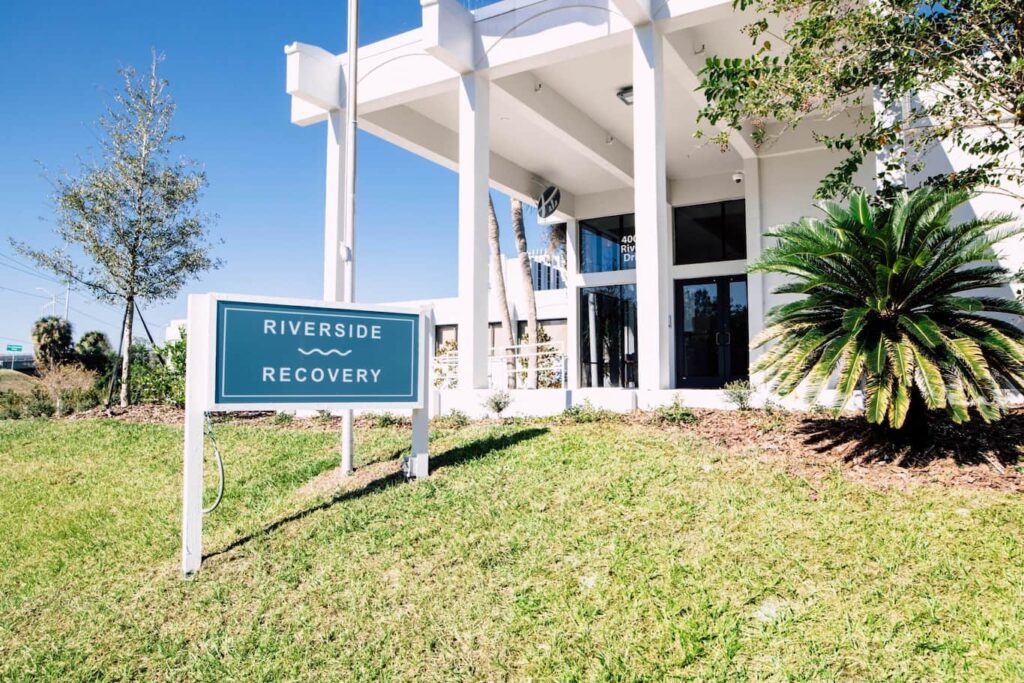
Riverside Recovery of Tampa

Addiction treatment center
★★★★⯨4.4(219 reviews)

The Riverside Recovery Center earned number 1 ranking in the state of Florida by Newsweek in 2026. Riverside Recovery of Tampa is an addiction treatment center and mental health service for adults 18 and older in Tampa, FL. We offer drug and alcohol detox, inpatient, and outpatient addiction treatment. Our team treats addiction alongside mental health conditions like depression, anxiety, and PTSD. We help individuals struggling with alcohol, opioids, fentanyl, benzodiazepines, meth, and more. Pool, gym, fishing, private rooms, and catered meals on campus. CARF and Joint Commission accredited, LegitScript certified. NAATP member. Tricare and most PPO insurance accepted. Same-day admissions.

"This treatment center truly saved my life and helped ease me into recovery."
📍 4004 N Riverside Dr, Tampa, FL 33603
Addiction treatment centerAlcoholism treatment programCounselorMental health clinicMental health service

Nearby Areas

How We Rank These Facilities

This is an independent directory. Facilities are ranked by a transparent trust score that prioritizes publicly verifiable healthcare trust signals: SAMHSA listing, Joint Commission/JCAHO, CARF, LegitScript, NAATP membership, Newsweek recognition, Google review quality, Google Business Profile verification, and addiction-treatment relevance. We never invent ratings, accreditations, or insurance details - blank is better than wrong.

Read our full ranking methodology →

Why Trust This Directory

Evidence and transparency matter in behavioral healthcare. This directory publishes its ranking methodology, separates information from medical advice, and favors verifiable signals such as Florida DCF licensure context, SAMHSA listings, Joint Commission/JCAHO, CARF, LegitScript, NAATP, Newsweek recognition, Google Business Profile verification, and review quality.

We are a group of individuals working to help people find the right care. Listings are free and rankings are never sold. Our AI-assisted crawlers monitor public sources for new information about treatment centers, and every change is reviewed by a human editor before publication. Facts in our articles are triple-checked. See something wrong? Tell us and we will update it immediately.

Review the scoring methodology · Read our editorial standards · View entity map

Frequently Asked Questions

Choose a topic to view related rehab questions.

Is medical detox safe?

Yes — medically supervised detox is the safest way to withdraw from alcohol, opioids, and benzodiazepines. Attempting to quit certain substances 'cold turkey' can be dangerous or life-threatening, which is why 24/7 clinical monitoring matters.

Does insurance cover detox in Tampa?

Most major insurance plans cover medically necessary detox under the ACA. Call the facility's admissions line to verify your specific benefits before admission.

Does insurance cover rehab?

Yes. Most private insurance plans, Medicare, Medicaid, and marketplace plans include some coverage for substance use disorder treatment. Coverage depends on the plan, medical necessity, level of care, network status, deductible, and prior authorization rules. Always verify benefits with both the insurer and the treatment center before admission.

How much does rehab cost?

Rehab costs vary widely by level of care, length of stay, location, amenities, and insurance coverage. Outpatient programs usually cost less than residential treatment, while private inpatient or residential programs can cost thousands to tens of thousands of dollars per month before insurance. State-funded and nonprofit programs may offer lower-cost options.

How do I choose the best rehab center?

Start with the needed level of care: detox, inpatient or residential, PHP, IOP, or outpatient. Then verify Florida DCF licensure, Joint Commission or CARF accreditation when available, clinical services, dual diagnosis capability, insurance coverage, program length, family involvement, medication options, and aftercare planning.

What is the most common support program for alcohol addiction?

Alcoholics Anonymous is one of the best-known peer-support programs for alcohol addiction, but it is not the only option. Some people use AA or other 12-step groups, while others prefer SMART Recovery, clinical therapy, medication-assisted treatment, faith-based groups, or a combination of supports.

How long does drug and alcohol detox take in Tampa?

Most medical detox programs in Tampa run 3–10 days depending on the substance, length of use, and individual health. Alcohol and benzodiazepine detox often require longer medical supervision due to the risk of severe withdrawal.

What happens after detox?

Detox addresses physical dependence but is not standalone treatment. Most Tampa facilities transition patients directly into inpatient residential care, a Partial Hospitalization Program (PHP), or Intensive Outpatient (IOP) to address the underlying addiction.

How long does rehab last?

Rehab commonly lasts from two weeks to 90 days or more. Detox may take several days, residential treatment often runs 30, 60, or 90 days, and outpatient care may continue for several months as step-down support. The right length depends on substance use history, mental health needs, medical risk, home environment, and progress in treatment.

How effective is rehab?

Rehab can be effective, especially when the level of care matches the person's needs and treatment continues through aftercare, therapy, peer support, medication when appropriate, and relapse-prevention planning. Recovery outcomes vary, and relapse does not mean treatment failed; it usually means the care plan needs to be adjusted.

What is residential rehab like?

Residential rehab is structured, live-in treatment. A typical day may include individual therapy, group therapy, medical or psychiatric support, recovery education, wellness activities, meals, and scheduled downtime. The goal is to provide a stable environment where people can focus on recovery away from everyday triggers.